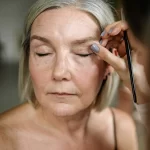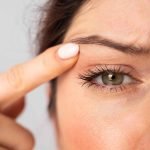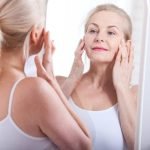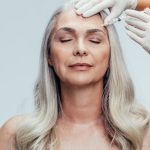

A plasma pen treatment is a non-invasive cosmetic procedure that uses plasma energy to tighten the skin, reduce fine lines and promote skin rejuvenation. It is a popular choice for lifting drooping eyelids, reducing wrinkles and pigmentation spots, and treating other skin ageing concerns. The plasma pen works by damaging the skin in a controlled way, which stimulates the skin's natural healing process and promotes collagen production.
What is a plasma pen treatment?
The plasma pen uses electrical energy to convert the air just above the skin into plasma, an ionised form of gas. When this plasma touches the skin, a small, controlled wound is created on the skin surface. These micro-injuries stimulate the skin's natural healing process, leading to the production of new skin cells and collagen, and ultimately resulting in firmer and smoother skin. The treatment is often used around the eyes (for example for eyelid corrections), but can also be applied to other areas of the face and body.
Benefits of a plasma pen treatment
- Non-invasive alternative to surgery: the plasma pen treatment offers an alternative to surgical procedures such as eyelid surgery or a facelift, with less risk and recovery.
- Collagen stimulation: the plasma energy stimulates the production of collagen and elastin, making the skin firmer and younger.
- Targeted at specific problem areas: the treatment can be targeted at small, specific areas such as the eyes, mouth or neck, where wrinkles and loose skin are common.
- Short recovery time: although some redness and swelling may occur after the treatment, the recovery time is much shorter than with surgical procedures, and the results are long-lasting.
Who is the plasma pen treatment suitable for?
The plasma pen treatment is suitable for people looking for a non-surgical way to tighten and rejuvenate their skin. It is especially effective for:
- Drooping eyelids or excess skin around the eyes
- Fine lines and wrinkles, especially around the eyes, mouth and neck
- Age spots or pigmentation spots
- Loose skin on the face or other parts of the body
However, it is not suitable for people with dark skin, because there is a risk of hyperpigmentation or hypopigmentation after the treatment.
Recovery and aftercare after a plasma pen treatment
After the treatment, small scabs or redness may appear on the treated skin. This is a normal part of the healing process and usually disappears within 7 to 10 days. It is important to take good care of the skin during recovery:
- Protect the skin from sunlight: use a sunscreen with a high SPF to prevent pigmentation spots.
- Avoid scratching the scabs: let the scabs come off by themselves to prevent scarring.
- Hydration: use a moisturising cream or repairing ointment to support the healing process.
Difference between plasma pen and other skin rejuvenation techniques
The plasma pen offers a unique approach to skin rejuvenation compared with other non-invasive methods such as microneedling or lasers. While microneedling pierces the skin and lasers use light energy, the plasma pen works by lightly burning the skin with plasma energy, without the device making direct contact with the skin. This makes the treatment suitable for sensitive areas such as the eyelids, where other techniques are more difficult to apply.
Possible risks and side effects of a plasma pen treatment
Although the plasma pen is generally considered safe, there are some possible side effects, such as:
- Redness and swelling: this is normal after the treatment and usually disappears within a few days.
- Hyperpigmentation or hypopigmentation: people with dark skin may be at risk of pigment changes, resulting in dark or light patches.
- Infection: there is a small risk of infection if the skin is not cared for properly during the healing process.
Please note: Kliniek het Bolwerk does not carry out this treatment
Kliniek het Bolwerk does not perform plasma pen treatments. This is a non-invasive skin treatment in which plasma energy is used to tighten the skin and stimulate skin rejuvenation.
This information is included in our knowledge base to give a general explanation of various cosmetic treatments. For a plasma pen treatment, you can go to a specialised skin clinic or practitioner with experience in this technique.
Conclusion
A plasma pen treatment is an effective, non-invasive method to tighten the skin, reduce wrinkles and restore a youthful appearance without surgery. The treatment is particularly suitable for small, specific areas such as the eyes and can be a good alternative to more invasive procedures. With the right aftercare and protection, the results are long-lasting and the skin can look younger and firmer.
See also our page about fillers or lip fillers.