
How do you recognise xanthelasma?
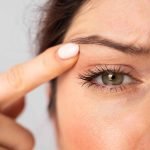
Xanthelasma look like soft, yellow to yellowish-brown plaques on the eyelid. They are flat or slightly raised and do not feel hard. The edge is usually sharply defined and clearly visible against the surrounding skin.
The spots are usually on the upper eyelid on the side of the nose, but can also occur on the lower eyelid. They grow slowly and do not cause itching or pain.
They often become more noticeable over time as they grow larger or more numerous. If you are unsure about a skin spot, always have it assessed, so that you know for certain that it is xanthelasma and not something else.
What causes xanthelasma?
Xanthelasma is caused by a build-up of fats in the skin. In some people this is linked to raised cholesterol or a disorder of fat metabolism, which causes more fat to be stored in the skin.
However, xanthelasma also occurs in people with completely normal blood values. In that case, a hereditary predisposition often plays a role, which is why the spots sometimes appear at a younger age.
Because there may be a link with cholesterol, it is sensible to have your blood values checked by your GP. That way you know whether there is an underlying cause that needs attention.
Is xanthelasma dangerous?
The spots themselves are benign and pose no health risk to the skin or the eye. They are not contagious and do not grow into deeper tissue, so they are not a threat.
They can, however, be a sign of disturbed fat metabolism. That is why a cholesterol check is worthwhile, especially if cardiovascular disease runs in the family.
If you have raised cholesterol, that matters mainly for your general health, separate from the spots themselves. For most people, however, the reason to have something done is mainly cosmetic.
Can you treat xanthelasma yourself?
Removing the spots yourself is not a good idea. Home remedies or aggressive products can damage the thin skin of the eyelid and cause scars, which are often harder to repair than the original problem.
Eyelid skin is the thinnest skin on the body and lies right next to the eye, so caution is needed. Using products with acids or other strong substances on your own can cause permanent damage.
So always leave removal to a doctor who has experience with treatments around the eyes. This keeps the risk of complications and visible scars as small as possible.
Which treatments are there for xanthelasma?
There are several ways to remove xanthelasma. The choice depends on the size, location and thickness of the spots, and on the quality of the surrounding skin.
Options include surgical excision, laser treatment, dabbing with an acid or freezing. Each method has its own advantages and disadvantages; small skin procedures fall under Removal of skin imperfections.
With larger spots on the upper eyelid, removal can sometimes be combined with Upper eyelid surgery, so that the skin is treated in one session and sits more tightly.
Will there be a scar?
With careful treatment, a scar is usually small and not very noticeable. Eyelid skin generally heals well, partly because the area has a good blood supply and a fine structure.
Even so, the method of removal and the aftercare are important for the final result. Good sun protection helps the scar fade quietly and prevents dark discolouration in the first months.
You can read more about caring for scars and improving them if necessary under Scar correction. With the right aftercare, a scar on the eyelid is often barely visible.
Can xanthelasma come back?
Yes, xanthelasma can return after removal, especially if you have raised cholesterol. The chance of recurrence is greater in people in whom the spots have already developed several times.
Addressing the underlying fat metabolism, together with your GP, can reduce the chance of recurrence. Attention to lifestyle and, where needed, medication play a role in this.
Discuss with your doctor beforehand how likely recurrence is in your situation, so that you know what to expect and are not surprised if a new spot appears later.
Xanthelasma and cholesterol: what is the link?
Some people with xanthelasma have raised cholesterol or another disturbance of fat metabolism. The fats that build up in the skin are then related to the fats in the blood.
However, this is by no means true for everyone. People with completely normal blood values can also develop xanthelasma, often due to a hereditary predisposition. So the spots are not always a sign of a problem.
Because raised cholesterol is linked to cardiovascular disease, a check-up with your GP is sensible. That way you know whether there is an underlying cause that needs attention.
Treating raised cholesterol does not clear existing spots, but it can reduce the chance of new ones. Removal and checking your blood values therefore complement each other.
Having xanthelasma assessed at Kliniek het Bolwerk
Kliniek het Bolwerk specialises in the eye area, so there is extensive experience with procedures on the delicate skin of the eyelid. With this kind of treatment in particular, that experience makes a difference to the final result.
During a consultation, Dr. David Jairath which approach is most suitable in your situation. Whether removal can be combined with another treatment around the eye is also discussed.
This way you choose together the method that best suits your skin and your wishes. Would you like advice on removing xanthelasma? Book an appointment.