

The titles above are all names for the same condition.
A trigger finger is a condition in which the tendon no longer runs smoothly in the tendon sheath. This is caused by a local irritation (sterile inflammation or tendinitis) of the tendon in the tendon sheath. The complaints are usually located in the palm of the hand just below the base of the fingers or the thumb.

Rated with a 9,8 out of 10

Rated with a 9,8 out of 10

The complaints usually start with local irritation after a lot of repetitive movement or using a great deal of force with the hands. At this stage the complaints can still go away with rest. In the next stage the pain gets worse and a local nagging pain in the finger develops. This may be accompanied by swelling of the finger at the location mentioned above. Then the finger starts to catch. The finger no longer moves smoothly and can get stuck when bending and straightening. At this stage it is irritating and causes pain. The complaints can increase, so that, for example, the finger is locked in a bent position in the morning, until the finger eventually stays bent. The last stage is serious, and a lot can be done about the trigger finger before then, so do not let it get that far. An essential part of the treatment is recognising the cause of the complaints and adapting to it.
A trigger finger is a condition in which the tendon no longer runs smoothly in the tendon sheath. This is caused by a local irritation (sterile inflammation or tendinitis) of the tendon in the tendon sheath. The complaints are usually located in the palm of the hand just below the base of the fingers or the thumb.
The complaints usually start with local irritation after a lot of repetitive movement or using a great deal of force with the hands. At this stage the complaints can still go away with rest. In the next stage the pain gets worse and a local nagging pain in the finger develops. This may be accompanied by swelling of the finger at the location mentioned above. Then the finger starts to catch. The finger no longer moves smoothly and can get stuck when bending and straightening. At this stage it is irritating and causes pain. The complaints can increase, so that, for example, the finger is locked in a bent position in the morning, until the finger eventually stays bent. The last stage is serious, and a lot can be done about the trigger finger before then, so do not let it get that far. An essential part of the treatment is recognising the cause of the complaints and adapting to it.
A trigger finger is caused by local irritation of the flexor tendon in the tendon sheath. This can happen, for example, by frequently making the same movement with the hands. It can also occur when using a lot of force, and finally it can occur with certain systemic diseases such as diabetes.
The result of the treatment should be that the finger can be used again without hindrance and without catching.
In the stage where there is local pain and slight triggering occurs, an improvement in the complaints can be achieved with an anti-inflammatory painkiller.
If the injection does not work or does not work sufficiently, or for people who do not like the idea of the injection, healing can be achieved with a local operation in which the tendon sheath is opened and the band that is too narrow is divided. The local irritation of the tendon is examined and resolved.
This treatment takes place as an outpatient procedure under local anaesthetic.
Before the procedure
The anaesthetic
The treatment takes about 30 minutes.
After the treatment you may not drive yourself home by car.
After 14 days the stitches are removed, unless they are dissolvable. The hand and the finger will still be swollen at that point.
The swelling of the hand and fingers can last up to 6 weeks after the treatment. Moving the hand and fingers and raising them from time to time helps to reduce the swelling.
Now too, the fingers must be moved well because otherwise the fingers become stiff. The scar may be treated afterwards with a scar cream; at Kliniek het Bolwerk we recommend Alhydran. A good hand cream is also fine.
If you think that something is not going well (for example, fever, feeling sick, redness of the wound area or sudden swelling) or you are worried about something, please contact Kliniek het Bolwerk immediately.
This can be done by mail or telephone, as indicated in the postoperative instructions you receive by mail.
Each treatment is tailored to your situation and needs through a personal consultation.
David Jairath has 15+ years of experience with hand and finger problems and hand procedures.
We meet the highest standards of sterilization, hygiene through a safety.
Our team will carefully guide you through the recovery process and answer all your questions, even after the procedure.
Because the procedure is done under local anaesthetic, there are almost no reasons why it could not be done. Tell us during the first consultation if you use blood thinners; we can then stop them temporarily in consultation. How long blood thinners need to be stopped depends on the type.
As with any operation, after trigger finger treatment there is also a chance of after-bleeding and bruising. Infections can also occur. The wound area of the hand should therefore be kept clean after the procedure.
The chance of these complications occurring is very small. Should one of these problems nevertheless occur, it will of course be treated appropriately.
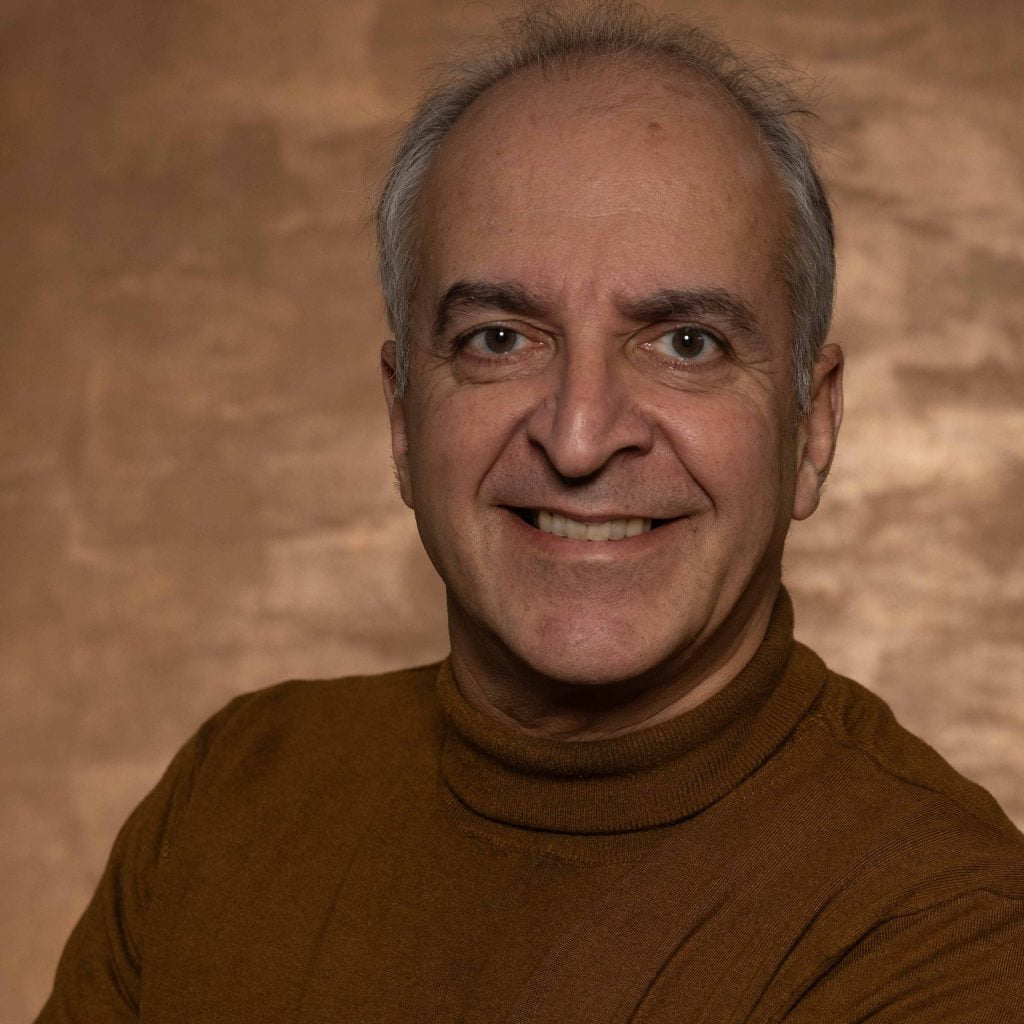
I am Drs. David Jairath, plastic surgeon. After studying medicine and specializing as a plastic surgeon, I further specialized in the aesthetic-cosmetic field.
During my career, I have worked in both academic and private clinics. My background includes reconstructive and cosmetic procedures.
In recent years, I have focused on non-invasive and minimal body image and wellness procedures. I now put my broad knowledge to use at Kliniek het Bolwerk.
As a plastic surgeon with more than 15 years of experience , I perform all procedures carefully, taking into account individual situations and wishes. I focus on optimal results and aftercare.
My mission is to support clients in their well-being through my medical expertise. Together with the client, I look at what options are appropriate. The client is the focal point.
All reviews were collected via Zorgkaart Nederland, Trustpilot, Google and email.
All reviews were collected via Zorgkaart Nederland, Trustpilot, Google and email.
Rated with a 9,8 out of 10
Eyelid surgery

I am extremely satisfied with my eyelid surgery by David Jairath. Because I had already had eyelid surgery in the past, I had a good idea of what to expect. That is exactly why this experience stood out as so positive.
David Jairath is a very skilled and professional surgeon, but what really sets him apart for me is how approachable and involved he is. He takes plenty of time to explain everything clearly, listens carefully to your questions and is also easy to reach after the procedure. That gave me a lot of confidence and a sense of safety throughout the whole process.
The aftercare is also excellent. You notice that you as a patient really come first and that there is genuine attention to a good recovery. Questions are answered quickly and kindly, which is very reassuring.
I can therefore wholeheartedly recommend David Jairath to anyone considering eyelid surgery. A skilled surgeon with a pleasant, personal approach and excellent aftercare. I am very happy with my choice and the lovely result.
16 July 2026
General

I am so happy with the result of my treatment with Dr Jairath. I came for a lip correction because of scar tissue, and from the first consultation I immediately had a very pleasant and trusting feeling.
Dr Jairath is a true craftsman through and through. His eye for detail, precision and professionalism immediately give you the confidence that you are in the best hands. He takes all the time you need, listens carefully to your wishes and explains everything clearly and calmly. His assistant also deserves a big compliment. She is extremely friendly, involved and caring and puts you completely at ease from the very first moment.
The procedure was carried out very skilfully and the result already looks better than I had dared to hope. The aftercare is also excellent. Everything is explained clearly and you can tell in every way that the work is done with genuine attention and love for the profession. I am enormously grateful for the professional and personal guidance. I can therefore wholeheartedly recommend Dr Jairath and his wonderful assistant to anyone looking for quality, craftsmanship, trust and personal attention.
Thank you so much for the wonderful care. I could not have wished for a better team!
1 July 2026
General

Dr Jairath is a very skilled, but also kind and empathetic doctor.
He is always honest and clear about the treatment.
I would definitely recommend Dr Jairath to others, because with him you can count on good and expert care, and it is a pleasant place to be too!
2 June 2026
Eyelid surgery
I went to Mr Jairath for eyelid surgery and I am extremely satisfied with the whole process.
From the first consultation through to the operation and the aftercare, everything felt professional, clear and trustworthy. Mr Jairath is a very skilled doctor with a great deal of knowledge and experience. He knows exactly what he is talking about, puts you at ease and gives honest, good advice.
As far as I am concerned, the procedure and guidance were absolutely worth 5 stars. I am very happy with the result of the correction, my complaints have gone and I feel a lot better for it.
My compliments and thanks to Mr Jairath.
30 May 2026
Eyelid surgery
During the intake consultation with Mr David Jairath I already had a good feeling about it. He explained clearly what the procedure involved. After the intake I also received additional information by email. The procedure itself was very relaxed. He explained everything step by step during the procedure. Everything is done under local anaesthetic. We had a really nice conversation during the procedure and before you knew it the treatment was over. I received clear information on what to do after the procedure. After a week the stitches were removed. I am very satisfied with the final result.
23 May 2026
Eyelid surgery
I received a clear explanation from Mr David Jairath during my intake consultation about eyelid surgery. A clear explanation of what will happen during the procedure and of the aftercare afterwards. I am satisfied.
3 March 2026
Rated with a 9,8 out of 10

Yes. For a trigger finger, an operation is the last step, not the first. In the first stage, with a nagging pain in the hand after exertion, there is still something to be gained from rest and adjusting the strain on the hand. If the complaints persist, an anti-inflammatory is the next step.
If the finger really catches or stays stuck, an anti-inflammatory tablet usually no longer works, but a local anti-inflammatory given by injection does. Only if that injection does not work or does not work sufficiently, or if you do not like the idea of the injection, does the small procedure on the tendon sheath come into view. It is done under local anaesthetic.
Trigger finger treatment falls under basic insured care. A referral from your GP is required, though.

Only a first consultation that does not lead to a treatment.
We aim to carry out the first consultation and the treatment within 2 weeks. Of course, the treatment can also be carried out at a time of your choosing. The injection can usually be given during the consultation. A procedure has to be scheduled and can usually take place within 2 weeks.
This is always a tricky one. Officially you cannot take part in traffic with a bandage on your hand, so driving home after the treatment is not allowed. Once the bandage is off and the whole hand is functioning well again, you can drive again. If you are in doubt, postpone driving for a few more days.
If you are treated with an injection straight away, you can drive home.
You may remove the bandage yourself on the second day after the operation. Keep the wound clean with a plaster that must be replaced daily. Leave the stitches in until they are removed at the outpatient clinic.
A sling is good for showing the outside world that something has happened to the hand and for keeping the hand raised. But a sling also immobilises the hand, elbow and shoulder, and that is not in line with moving enough after the procedure.
After any treatment or injury of the hand, it becomes swollen. This is because an imbalance develops between the supply and drainage of fluid in the hand. This improves with time, and keeping the hand raised and moving it also gives quick improvement. The swelling can sometimes last up to 6 weeks.
If an injection has been given, or when taking an anti-inflammatory painkiller, the catching can come back if activities are not adjusted. Usually a 2nd injection can be given. If this injection does not work either, surgical treatment is the best solution. The chance that the complaints stay away permanently is then greatest. Unfortunately, the condition can occur in several fingers and in both hands, including the thumbs.
Yes, it can indeed. It does happen that we, as plastic surgeons, are asked after childbirth to see newborns whose little thumbs do not function properly or are locked. There is speculation about the cause of trigger fingers in babies, but it probably develops in the womb during development, when the little thumbs are bent for a long time. The treatment is, unfortunately, an operation on the newborn baby. The operation can only be performed under general anaesthetic and therefore in centres that can put newborns under anaesthetic; not all hospitals can do this.
Is your question not listed? Then ask here your question
You can book an appointment via our online booking system or by calling 023-5837405.
You can book an appointment via WhatsApp on number 06-49899167

