
Who is a reverse abdominoplasty suitable for?
This procedure is specifically aimed at people who:
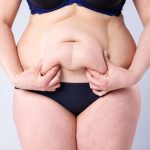
- Have excess skin in the upper abdomen without significant problems in the lower abdomen.
- Have lost weight and as a result experience skin laxity in the upper part of the abdomen.
- Are considering a breast lift or breast augmentation, as the incisions can be combined to minimise scarring.
- Have a stable body weight and are in good general health.
What does the procedure involve?
- Anaesthesia: The operation is performed under general anaesthetic.
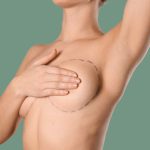
- Incision: A horizontal incision is made just below the breast fold.
- Removal of excess skin: Excess skin is removed, and the remaining skin is pulled upwards and secured.
- Combination with other procedures: Sometimes the operation is combined with breast procedures, such as a breast lift, to hide the scar.
- Duration: The procedure usually takes 2 to 4 hours, depending on the complexity.
Recovery after a reverse abdominoplasty
After the operation, most patients experience swelling, bruising and a feeling of tightness in the treated area.
Aftercare tips:
- Wear a compression garment to reduce swelling and promote healing.
- Avoid heavy exertion and sport for 4 to 6 weeks.
- Rest and follow the surgeon's instructions carefully.
Most people can resume light daily activities after about two weeks. The final result is visible after a few months, when the swelling has completely disappeared.
Results and benefits
A reverse abdominoplasty offers:
- A firmer and smoother upper abdomen.
- Improved body contours.
- Discreetly placed scars that are hidden in the breast fold.
- A lasting result, provided body weight remains stable.
Please note: Kliniek het Bolwerk does not carry out this treatment
At Kliniek het Bolwerk, we do not perform reverse abdominoplasties. This procedure is only carried out within specialised plastic surgery care. We do think it is important that you are well informed about the various surgical options for excess skin and body contouring. That is why we share this information in our knowledge base.
If you are considering a reverse abdominoplasty, we advise contacting an experienced plastic surgeon who specialises in abdominal corrections and body contouring surgery. They can assess whether this procedure suits your situation and wishes.
Considerations and risks
As with any surgical procedure, there are some risks associated with a reverse abdominoplasty, such as:
- Scars that may remain visible, even though they are strategically placed.
- Swelling, fluid build-up, infections or wound healing complications.
- Loss of skin sensation in the treated area, which is usually temporary.
A personal consultation with a specialised plastic surgeon is always necessary to assess whether this procedure is suitable.
See also our page about Abdominoplasty.