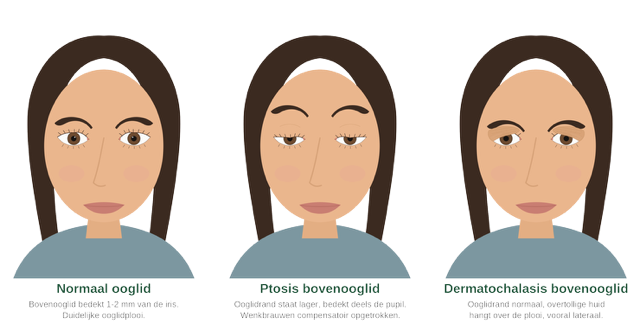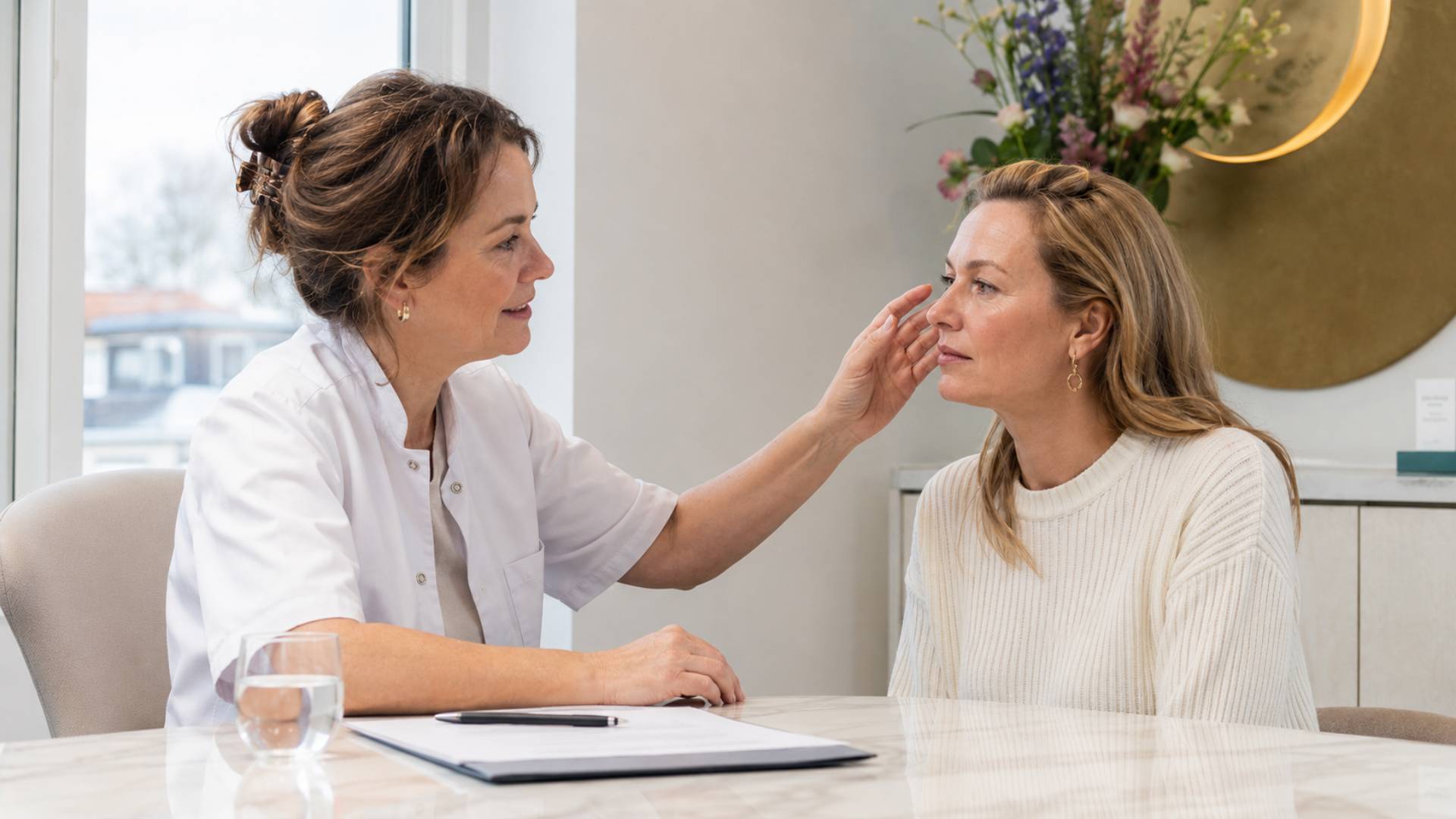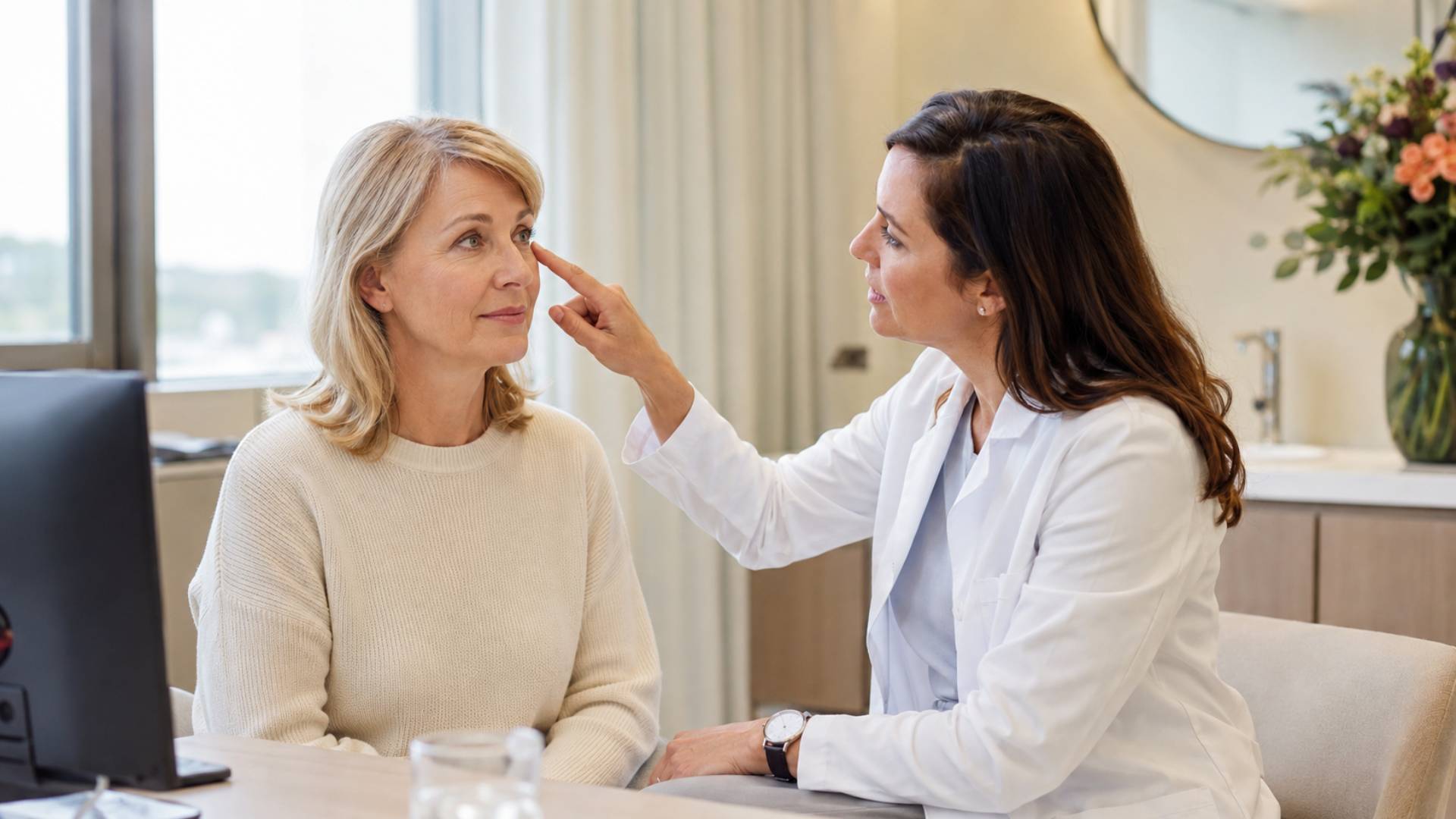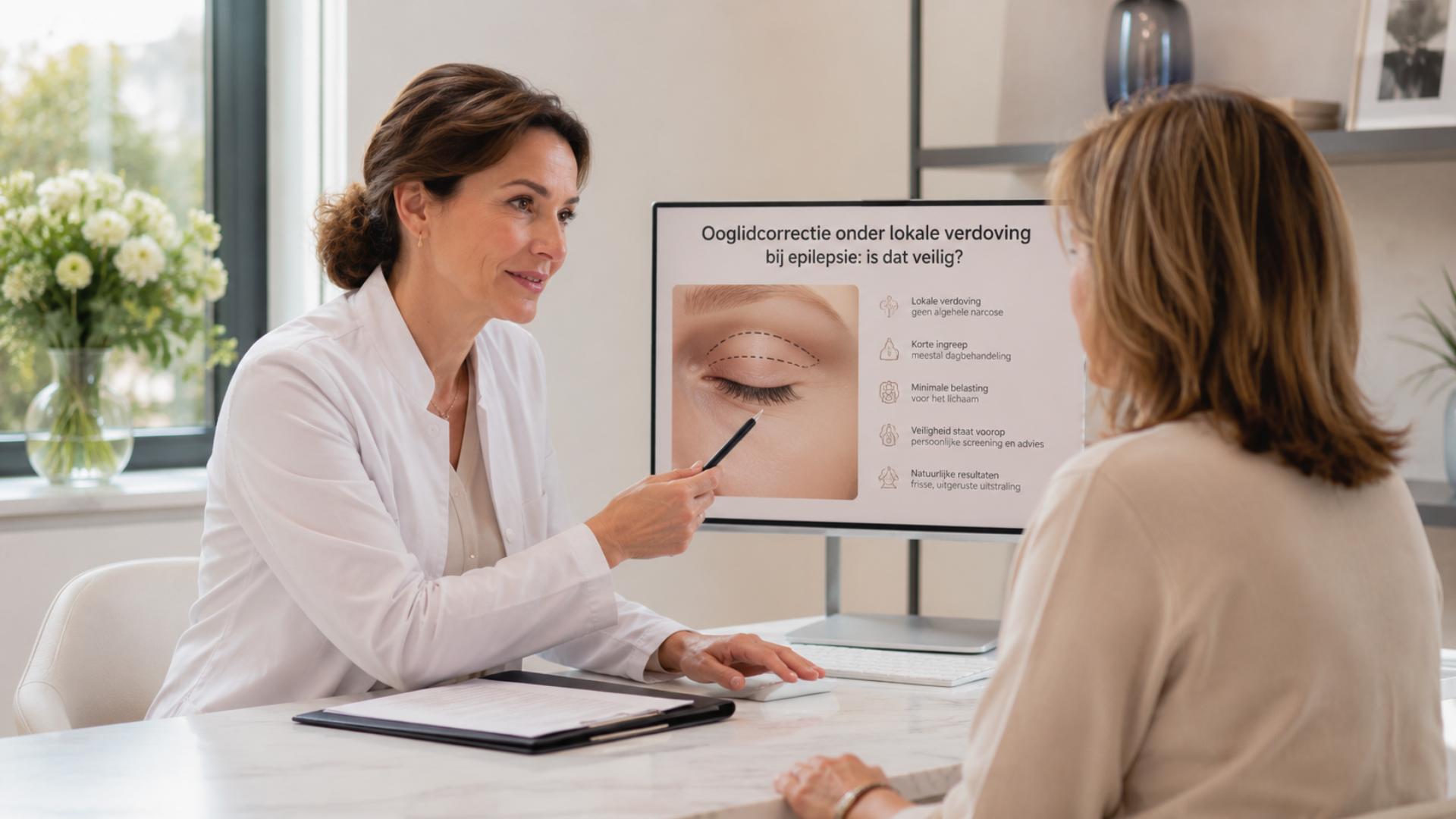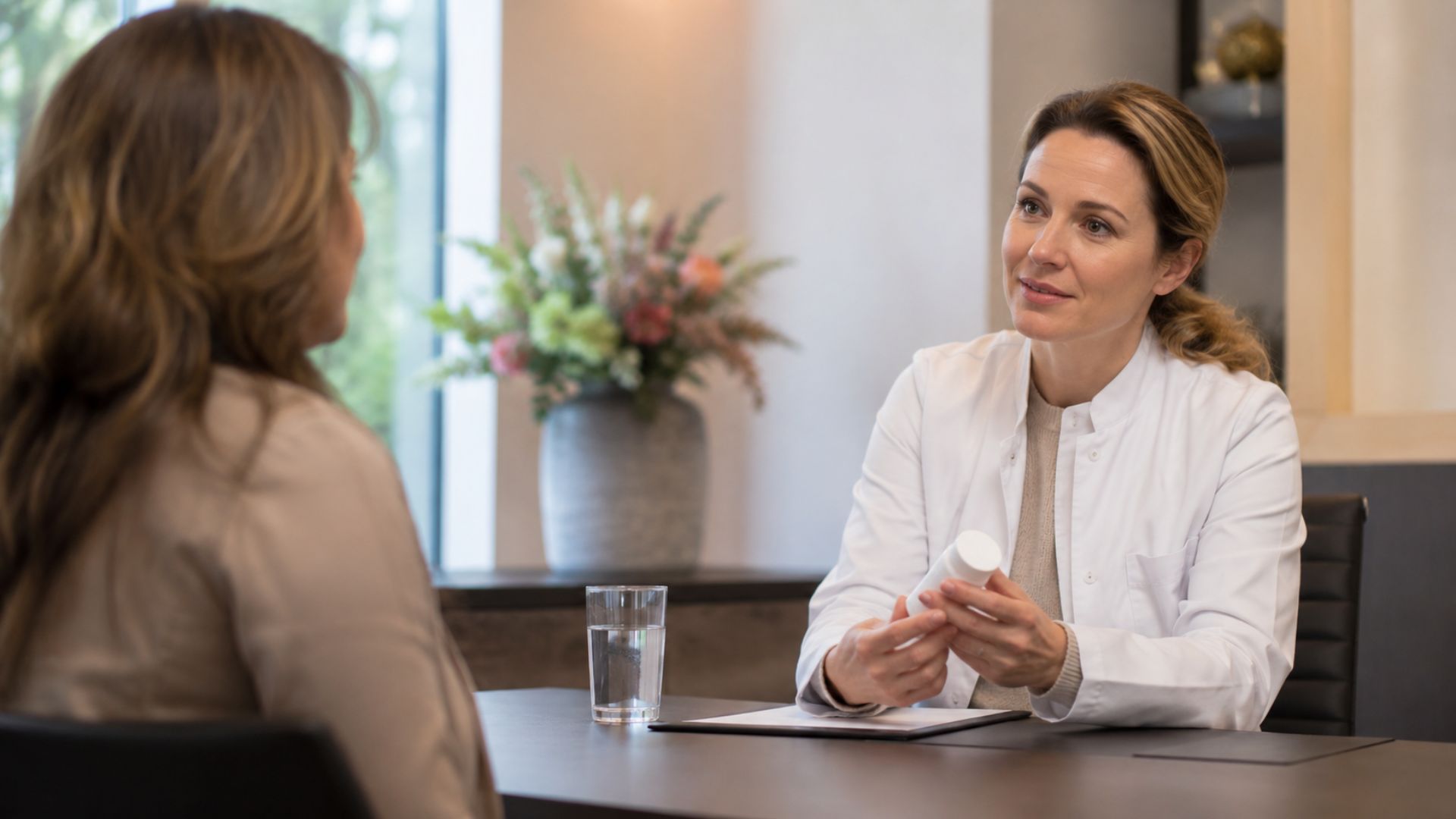

A eyelid surgery (blepharoplasty) is one of the most commonly performed procedures to rejuvenate the eyelids. Do you have diabetes mellitus? Then eyelid surgery is still possible in many cases, but good preparation and well-controlled blood sugar levels are important for a safe course and a good result.
In this blog, you can read why diabetes is relevant to eyelid surgery, how Kliniek het Bolwerk deals with it and when extra caution is needed.
Why is diabetes relevant with an eyelid correction?
Diabetes mellitus can affect the blood vessels, the immune system and wound healing. With surgical procedures in general, diabetes is therefore seen as a point of attention: an elevated blood sugar level can lead to a reduced resistance to infections and a slower healing of the wound [1,3].
The good news: the eyelids are among the best-perfused areas of the body. Research specifically into blepharoplasty in diabetic patients shows that well-regulated diabetes does not automatically lead to more complications. In a study into eyelid corrections in patients with various HbA1c values, no statistically significant difference in complications was found between the groups, possibly thanks to the excellent blood flow of the eyelid [2].
Points of attention with diabetes
- Ensure a well-regulated blood sugar value before and during the treatment. A poorly regulated blood sugar level around the operation (both too high and too low) is unfavourable [1]
- Increased risk of wound infection and delayed healing with a prolonged high blood sugar [1,3]
- Increased risk of swelling after eyelid corrections, together with other factors such as hypertension and age [4]
- Medication use (insulin, oral blood sugar-lowering drugs) can affect the planning of the procedure and fasting. As the eyelid correction is always carried out under local anaesthetic with us, you do not have to fast for the treatment.
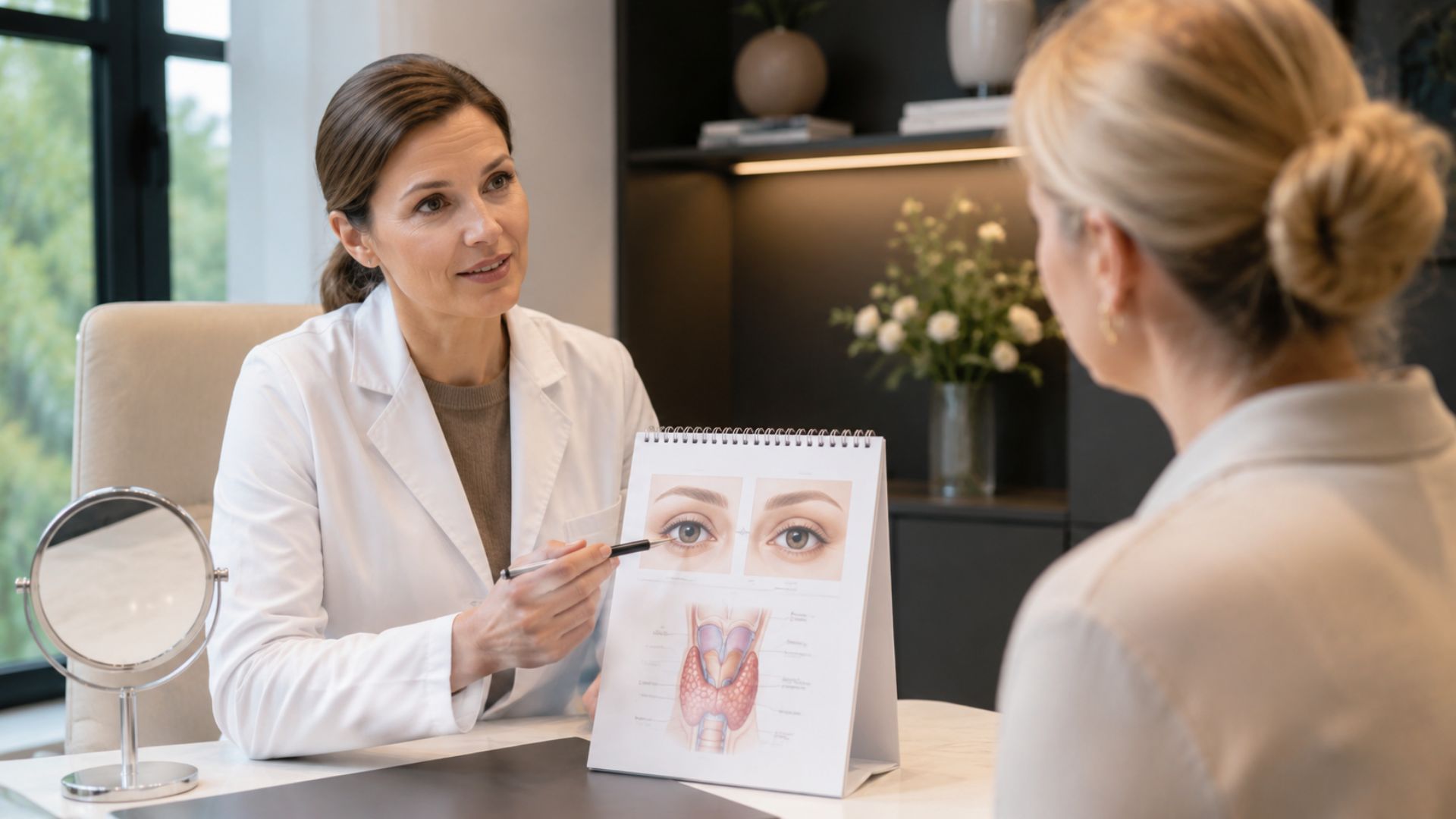
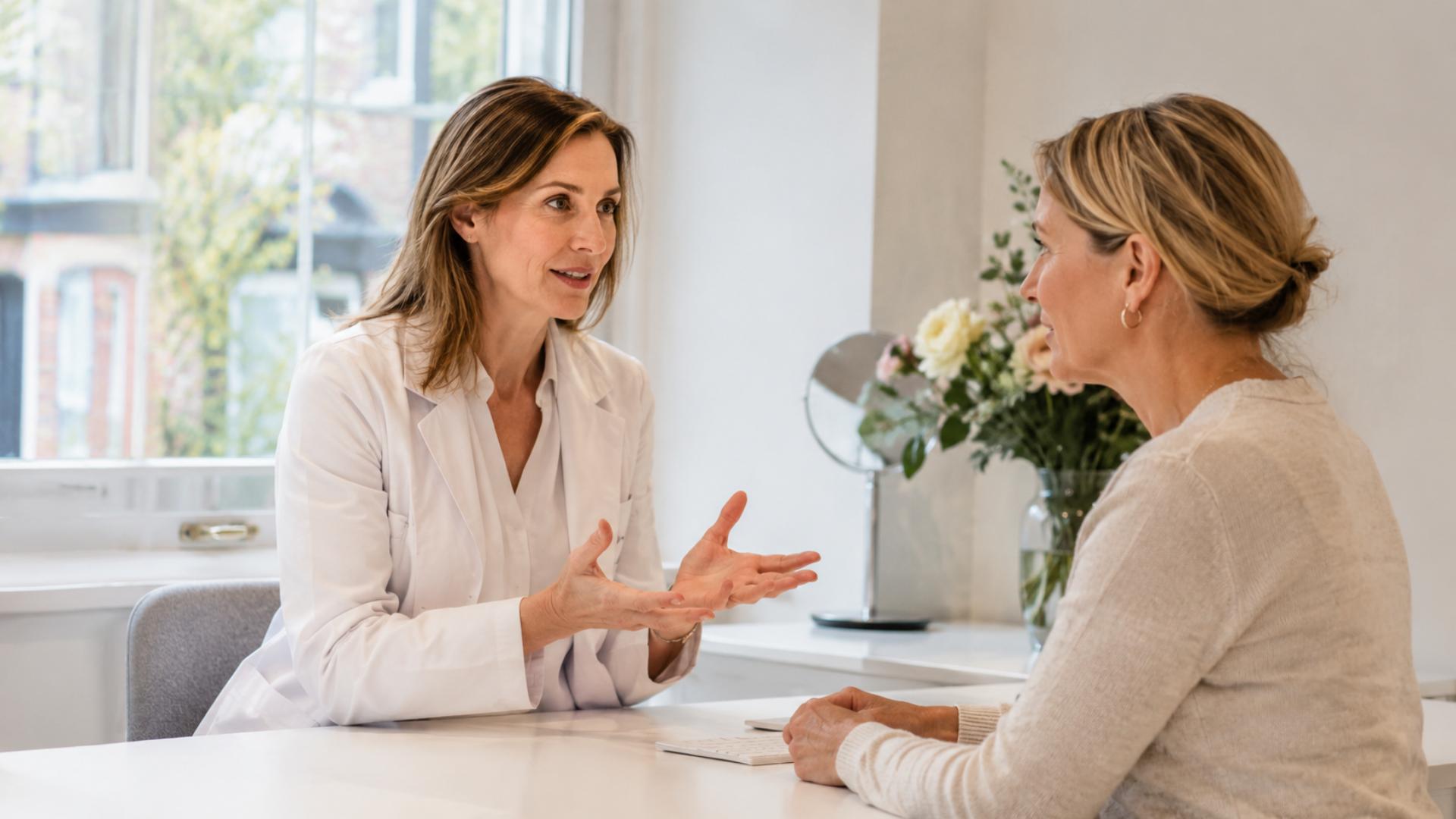
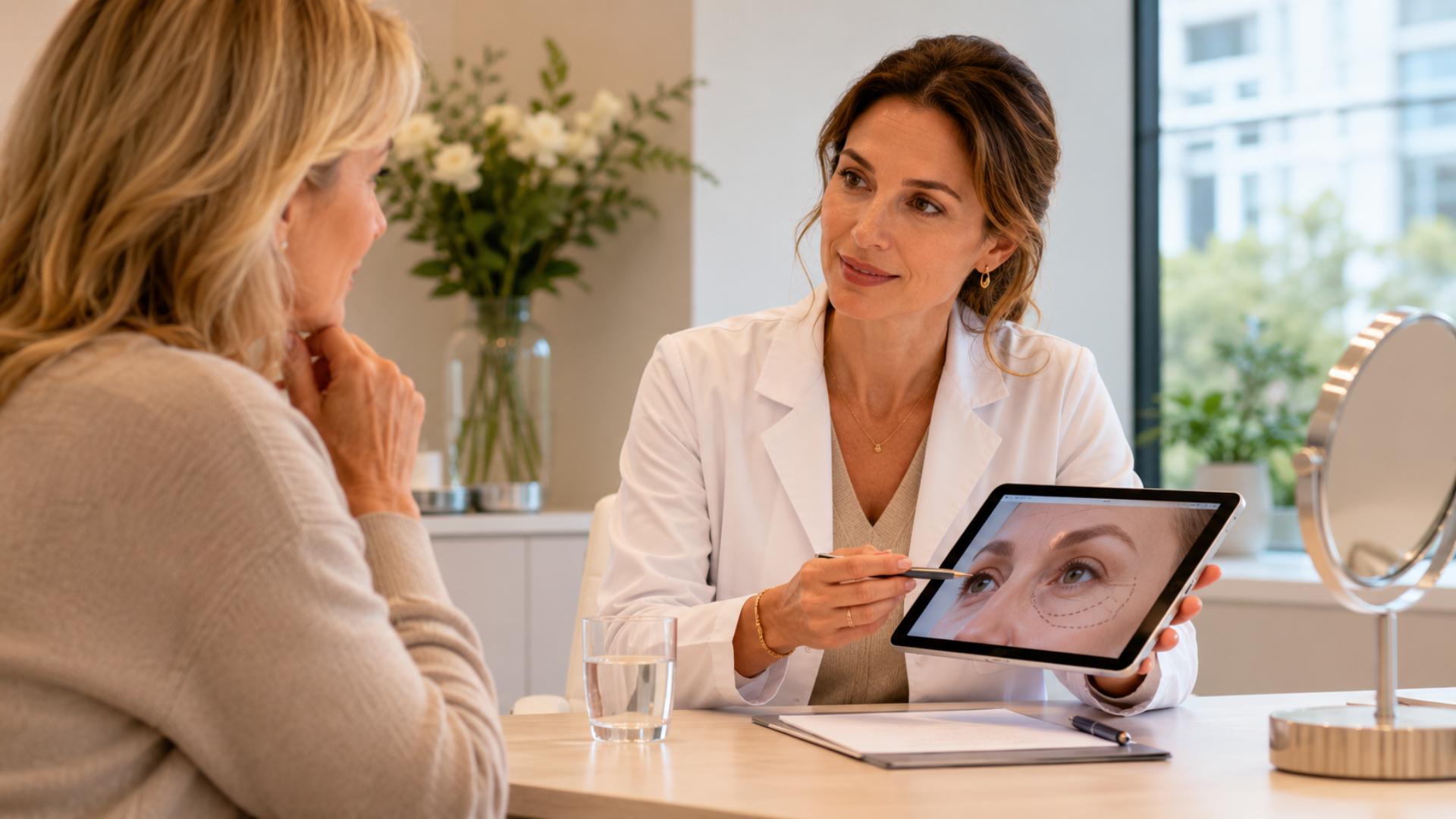
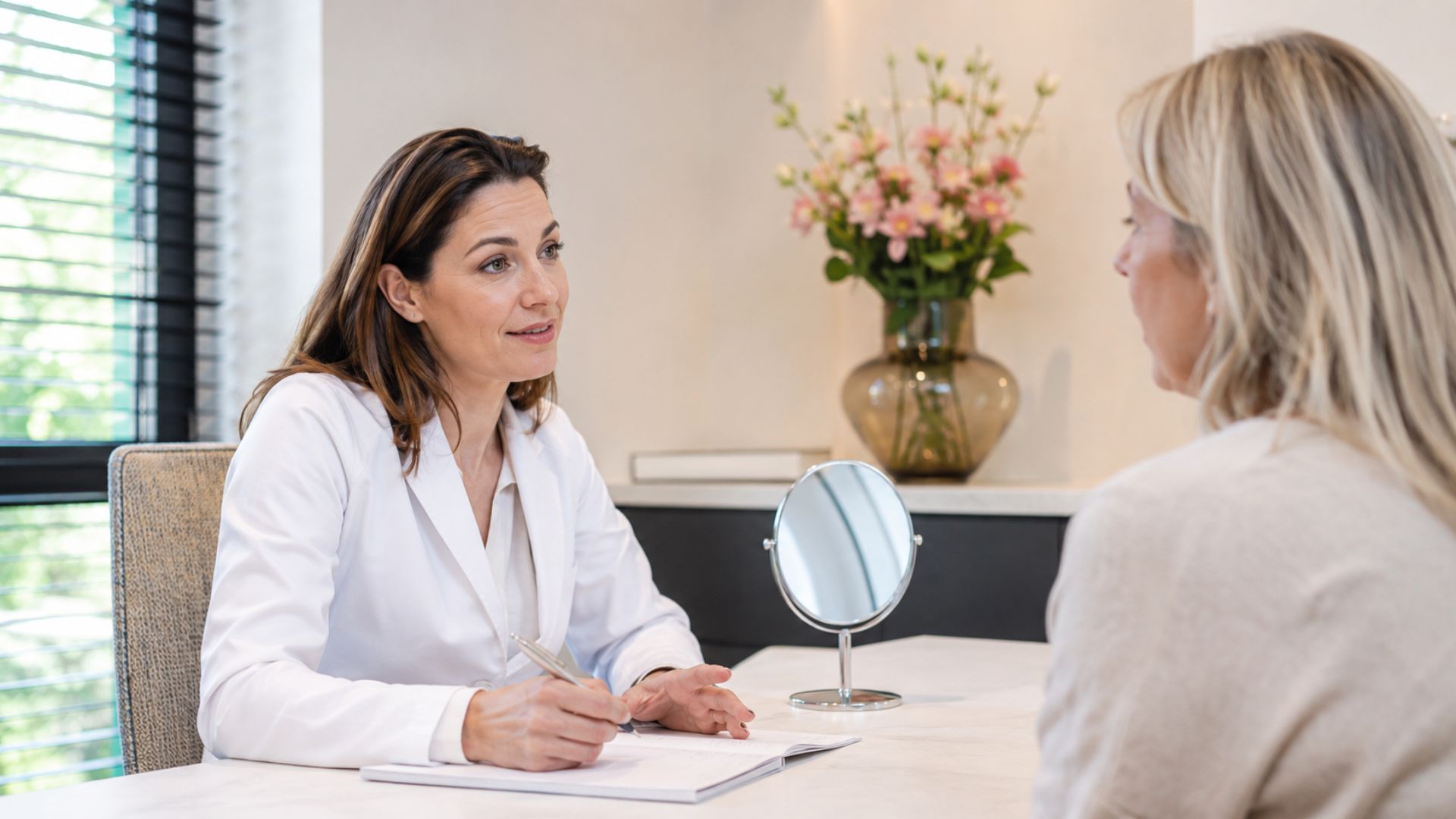
Discuss it in a personal consultation with plastic surgeon David Jairath, at our clinic for eyelid surgery in Haarlem. A first consultation can usually take place within a week.
Our protocol at Kliniek het Bolwerk
1. Extensive medical history
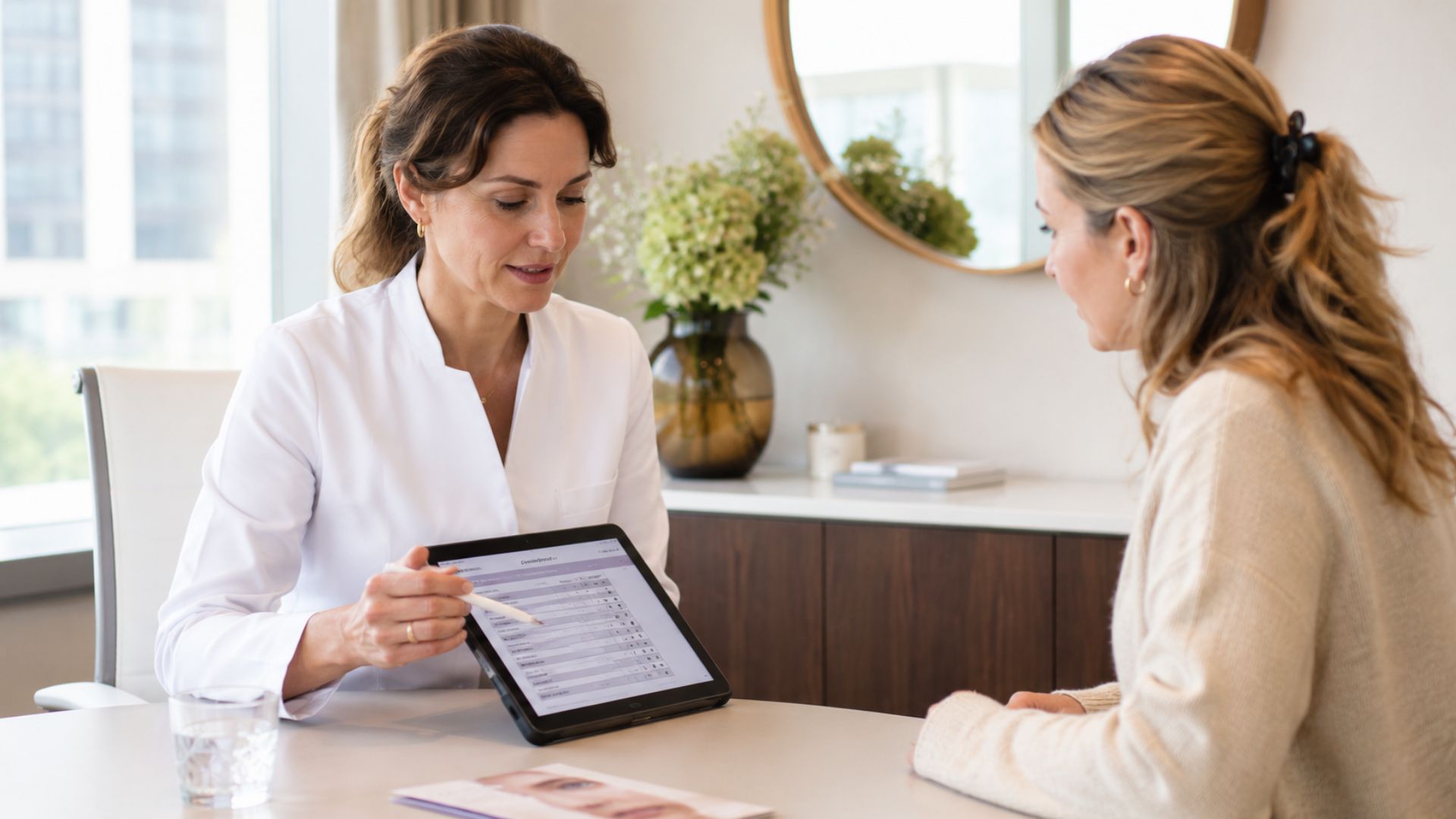
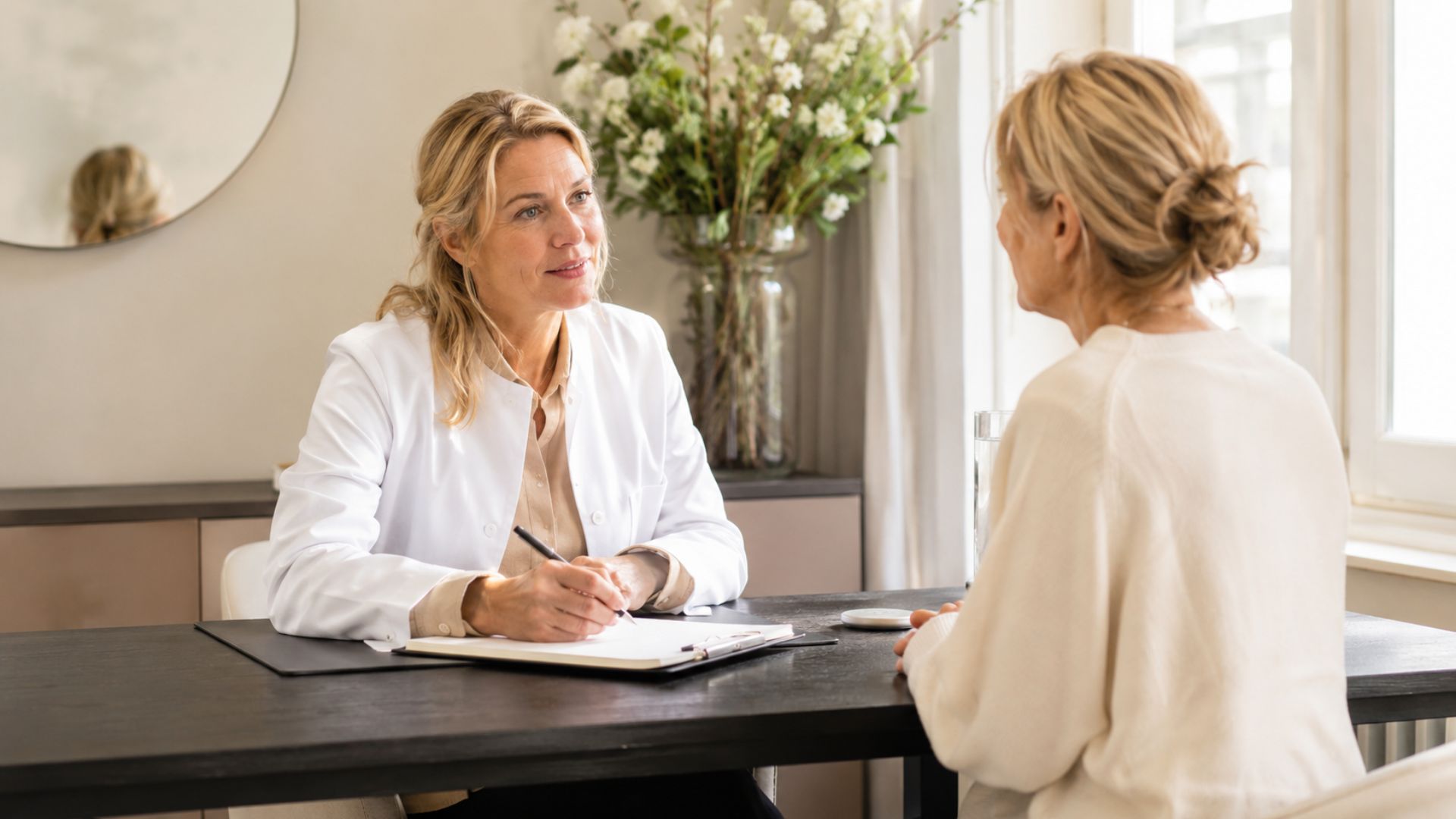
We discuss your type of diabetes, the duration of the condition, medication and how well your blood sugar is currently regulated. A recent HbA1c value from your GP or internist is valuable information.
2. Medical coordination
In the case of less well-regulated diabetes (HbA1c above 8.5%), you consult with your GP or internist about the best preparation, so that the procedure proceeds as safely as possible [1,3].
This threshold value of 8.5% (69 mmol/mol) is based on international guidelines for elective surgery: in the United Kingdom it is advised to bring the HbA1c below 69 mmol/mol (8.5%) before an elective procedure is carried out, where this is safe and possible [5]. Above an HbA1c of 9% (75 mmol/mol), postponement of an elective procedure is advised even more urgently [5]. For a short procedure under local anaesthetic, such as an eyelid correction, the physiological load is admittedly smaller than with large operations, but these threshold values form a usable and well-founded starting point.
3. Practical arrangements around the procedure
We make clear arrangements about medication use on the day of the procedure, eating and drinking beforehand, and measuring your blood sugar. This way we prevent unexpected fluctuations during and after the procedure.
4. Careful follow-up check
After the procedure, we pay extra attention to signs of delayed wound healing or infection, such as redness, pain or discharge that does not improve on its own.
Important: well-regulated diabetes is generally not a contraindication for an eyelid correction. A poorly regulated blood sugar level does increase the risk of complications and requires postponement until the regulation has been improved.
When do we advise against the procedure (for the time being)?
- In the case of a strongly disrupted blood sugar level, particularly an HbA1c above 9% (75 mmol/mol), without recent medical supervision [1,3,5]
- In the case of active infections or open wounds elsewhere, which point to reduced immune defences
- If your GP or internist advises against the procedure at this time
Our advice
Do you have diabetes and are you considering an eyelid correction? Then make an appointment for a consultation at Kliniek het Bolwerk. We discuss your situation together, request additional information from your treating doctor if necessary, and draw up a plan that suits your health.
This way we ensure that you can start the procedure with confidence and can recover optimally.
Literature references
The publications below form the medical-scientific basis of this article:
- Sinha A, et al. Upper Eyelid Blepharoplasty. StatPearls, NCBI Bookshelf. 2023. https://www.ncbi.nlm.nih.gov/books/NBK537078/
- Diabetes and Eyelid Surgery: A 12-year analysis of surgical complications. Invest Ophthalmol Vis Sci (ARVO Annual Meeting Abstract). 2020. https://iovs.arvojournals.org/article.aspx?articleid=2768319
- Aseptic surgical preparation for upper eyelid blepharoplasty via full-face octenidine antiseptic without antibiotic medication shows effective prophylaxis against post-surgical wound infection. PMC. https://pmc.ncbi.nlm.nih.gov/articles/PMC7949559/
- Risk factors for early eyelid swelling following blepharoptosis surgery: A retrospective study. PMC. https://www.ncbi.nlm.nih.gov/pmc/articles/PMC12828529/
- New guidance on the perioperative management of diabetes. PMC. https://pmc.ncbi.nlm.nih.gov/articles/PMC8813019/