
Thyroid conditions, such as an underactive thyroid (hypothyroidism) or an overactive thyroid (hyperthyroidism), are relatively common. Because the thyroid affects your whole body, including your skin, eyes and wound healing, it is important to take this into account with an eyelid surgery .
Do you specifically have Graves' disease (a form of hyperthyroidism with possible eye symptoms)? We have written a separate blog about it, because this condition brings additional points of attention for the eyelids.
Why is a thyroid condition relevant with an eyelid correction?
Thyroid function is taken into account as standard in the medical history with blepharoplasty, together with diabetes and hypertension, because these conditions together can contribute to an increased risk of complications [1,2].
With an underactive thyroid, the skin can be thinner, drier and less elastic, and wound healing can proceed more slowly. With an overactive thyroid, heart rhythm disorders, an increased heart rate and restlessness can occur instead, which is important in the choice and planning of the procedure.
Points of attention
- A well-regulated thyroid function (euthyroidism) is desirable before an elective procedure [1,2]
- With hypothyroidism: extra attention to skin quality and wound healing
- With hyperthyroidism: attention to heart rhythm and general resilience during the procedure
- Medication (thyroid hormone or medication that inhibits the thyroid) must usually simply be continued, in consultation with your doctor
Discuss it in a personal consultation with plastic surgeon David Jairath, at our clinic for eyelid surgery in Haarlem. A first consultation can usually take place within a week.
Our protocol at Kliniek het Bolwerk
1. Extensive medical history
We ask about the type of thyroid condition, how long you have been treated for it and whether your complaints are currently under control.
2. Assessment of the regulation
If there is doubt about how well your thyroid function is regulated, we ask you to contact your GP or internist for recent lab values, so that we can plan the procedure as safely as possible [1].
3. Attention to the eyelids themselves
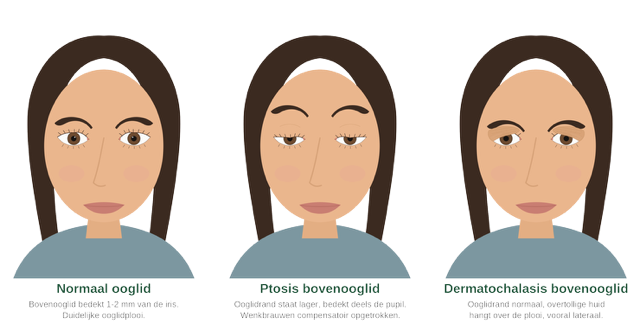
Some thyroid conditions can affect the position and function of the eyelids, such as a delayed blink reflex or dry eyes. We assess this carefully at the intake consultation, and refer to the ophthalmologist if necessary.
4. Tailored aftercare
At the follow-up check, we take account of a possibly slower wound healing or greater sensitivity to swelling.
Important: a stably regulated thyroid condition is, as a rule, not a contraindication for an eyelid correction. A thyroid function that is not yet well regulated deserves attention first, before an elective procedure is planned.
When do we advise against the procedure (for the time being)?
- In the case of a thyroid condition that is not yet well regulated or is untreated
- In the case of active eye complaints consistent with thyroid-associated eye disease (see our blog on Graves’ disease)
- If your treating doctor advises against the procedure on medical grounds
Our advice
Do you have a thyroid condition and are you thinking about an eyelid correction? Plan a consultation at Kliniek het Bolwerk. We discuss your situation extensively and coordinate, if necessary, with your treating doctor.
Literature references
The publications below form the medical-scientific basis of this article:
- Sinha A, et al. Upper Eyelid Blepharoplasty. StatPearls, NCBI Bookshelf. 2023. https://www.ncbi.nlm.nih.gov/books/NBK537078/
- Aseptic surgical preparation for upper eyelid blepharoplasty via full-face octenidine antiseptic without antibiotic medication shows effective prophylaxis against post-surgical wound infection. PMC. https://pmc.ncbi.nlm.nih.gov/articles/PMC7949559/