
Autoimmune conditions, such as lupus, rheumatoid arthritis, Sjögren's syndrome or Graves' disease, can affect your skin, eyes and wound healing. This does not automatically mean that an eyelid surgery is not possible, but it does call for careful consideration and preparation.
Why are auto-immune conditions relevant with an eyelid correction?
With blepharoplasty, auto-immune conditions are looked at as standard as part of the medical history, because these can affect wound healing and recovery [1].
An important specific point of attention is dry eyes: people with Sjögren’s syndrome, lupus or other auto-immune conditions have an increased risk of dry eyes, and thereby also an increased risk of persistent dry eyes after an eyelid correction [2].
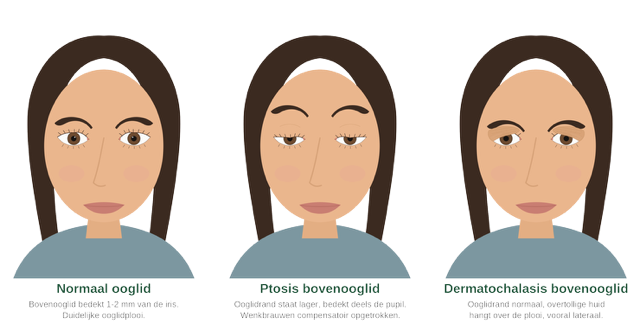
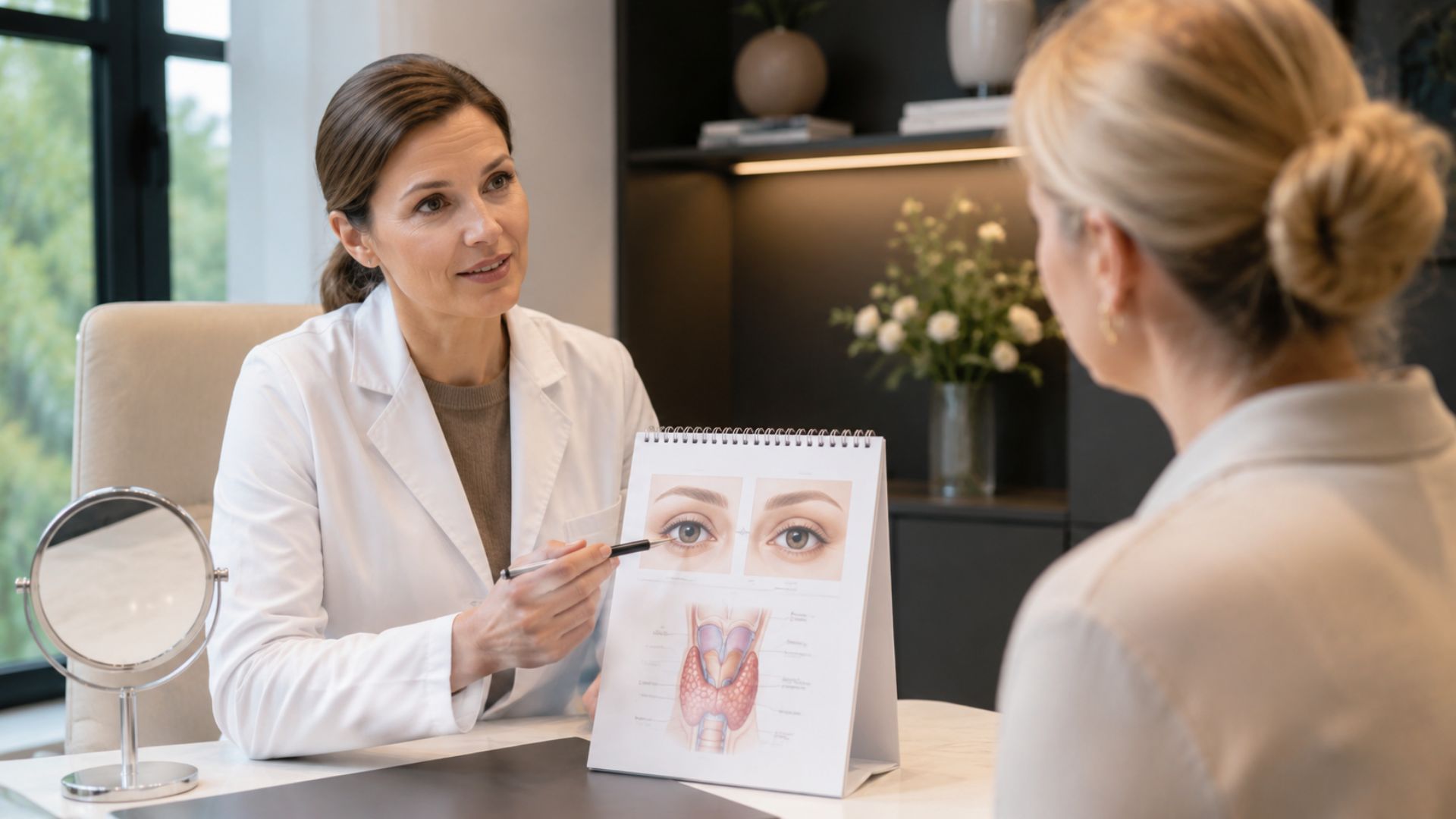
In addition, some auto-immune conditions, such as Graves’ disease, can directly affect the eyelids and the tissue around the eye (see our separate blog on Graves’ disease) [3].
Medication that is often used for auto-immune conditions, such as corticosteroids or immunosuppressants, can also affect wound healing and the infection risk.
Points of attention
- Increased risk of dry eyes, both before and after the procedure [2]
- Possible influence of medication (corticosteroids, immunosuppressants) on wound healing and infection risk
- With some conditions (such as Graves’ disease) the condition can affect the eyelids themselves [3]
- The activity of the condition (calm phase versus active flare-up) is important for the timing of the procedure
Discuss it in a personal consultation with plastic surgeon David Jairath, at our clinic for eyelid surgery in Haarlem. A first consultation can usually take place within a week.
Our protocol at Kliniek het Bolwerk
1. Extensive medical history
We ask about the specific auto-immune condition, the current activity (calm or active), medication used and any eye complaints.
2. Assessment of the tear film and eyelids
Given the increased risk of dry eyes, we assess the tear film carefully, and refer to the ophthalmologist if necessary [2].
3. Coordination with the treating specialist
With the use of immunosuppressants or in an active phase of the condition, we consult with your rheumatologist, internist or other treating specialist about the best timing and preparation.
4. Planning in a calm phase
Where possible, we plan the procedure in a period in which your condition is calm, to limit the risk of complications.
Important: an auto-immune condition is not in itself a contraindication for an eyelid correction, but requires an individual consideration, with extra attention to dry eyes, medication use and the current activity of the condition.
When do we advise against the procedure (for the time being)?
- In the case of an active flare-up of the auto-immune condition
- In the case of severe, untreated dry eyes [2]
- In the case of use of high doses of immunosuppressants without consultation with the treating specialist
- If your specialist advises against the procedure at this time
Our advice
Do you have an auto-immune condition and are you considering an eyelid correction? Bring an overview of your diagnosis, medication and any eye complaints to the intake consultation at Kliniek het Bolwerk. We discuss together whether, and at which moment, an eyelid correction best suits your situation.
Literature references
The publications below form the medical-scientific basis of this article:
- Sinha A, et al. Upper Eyelid Blepharoplasty. StatPearls, NCBI Bookshelf. 2023. https://www.ncbi.nlm.nih.gov/books/NBK537078/
- Blepharoplasty and Dry Eyes, Treating dry eye syndrome. Cadogan Clinic, Ask the Expert. 2025. https://www.cadoganclinic.com/ask-the-expert/facial-treatments/blepharoplasty-and-dry-eyes
- Minimally invasive surgery for thyroid eye disease. PMC. https://pmc.ncbi.nlm.nih.gov/articles/PMC4730697/