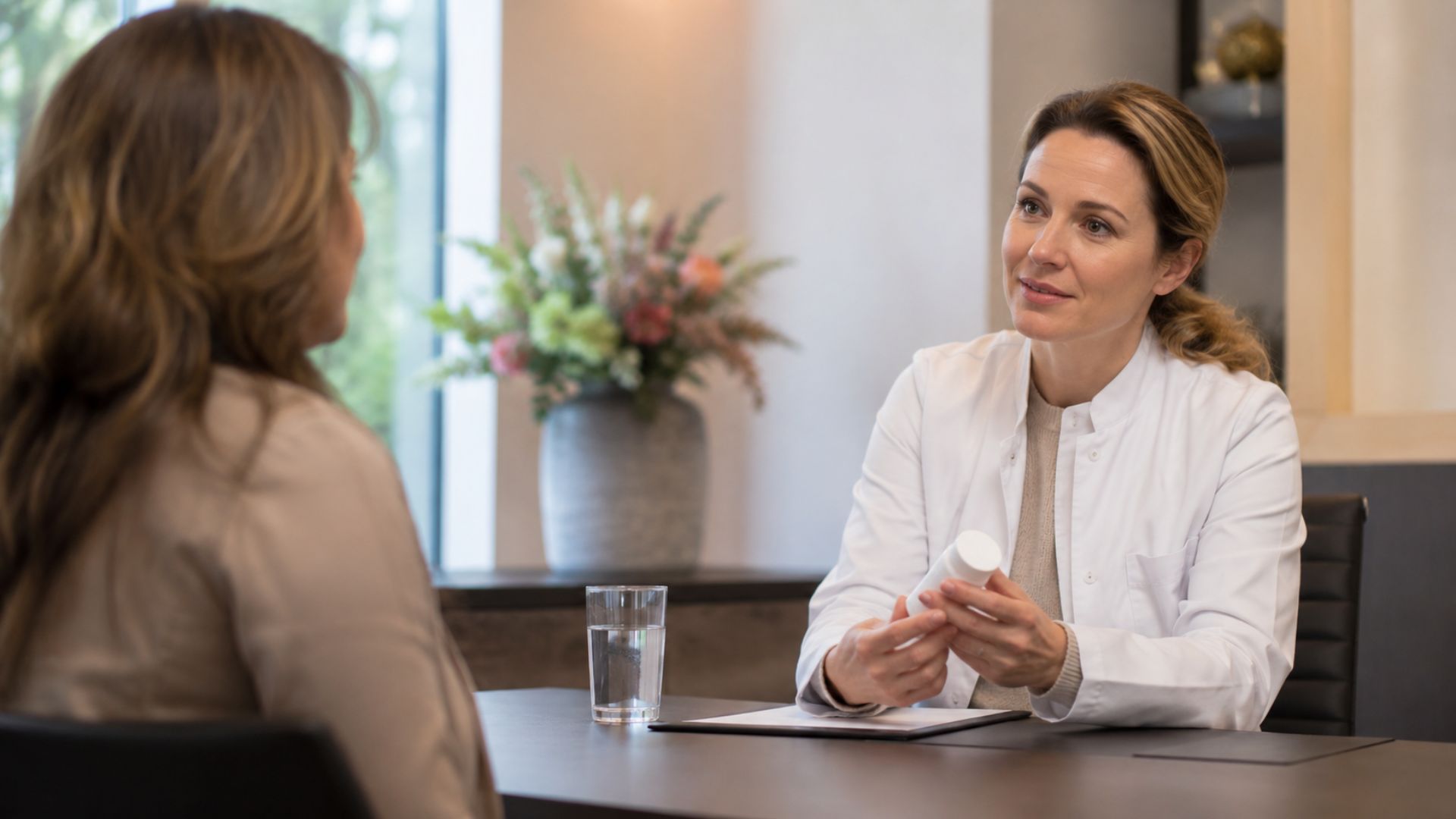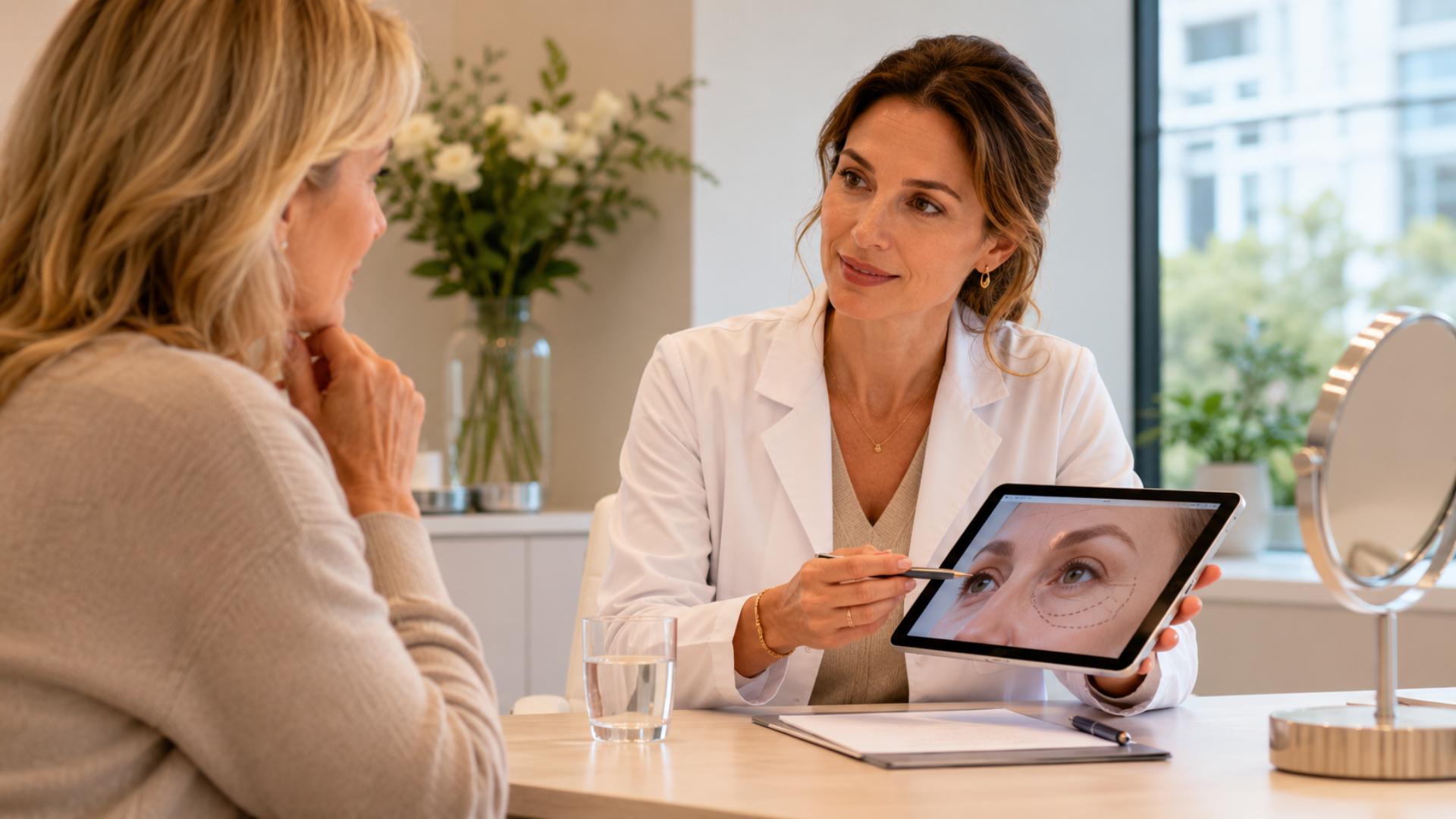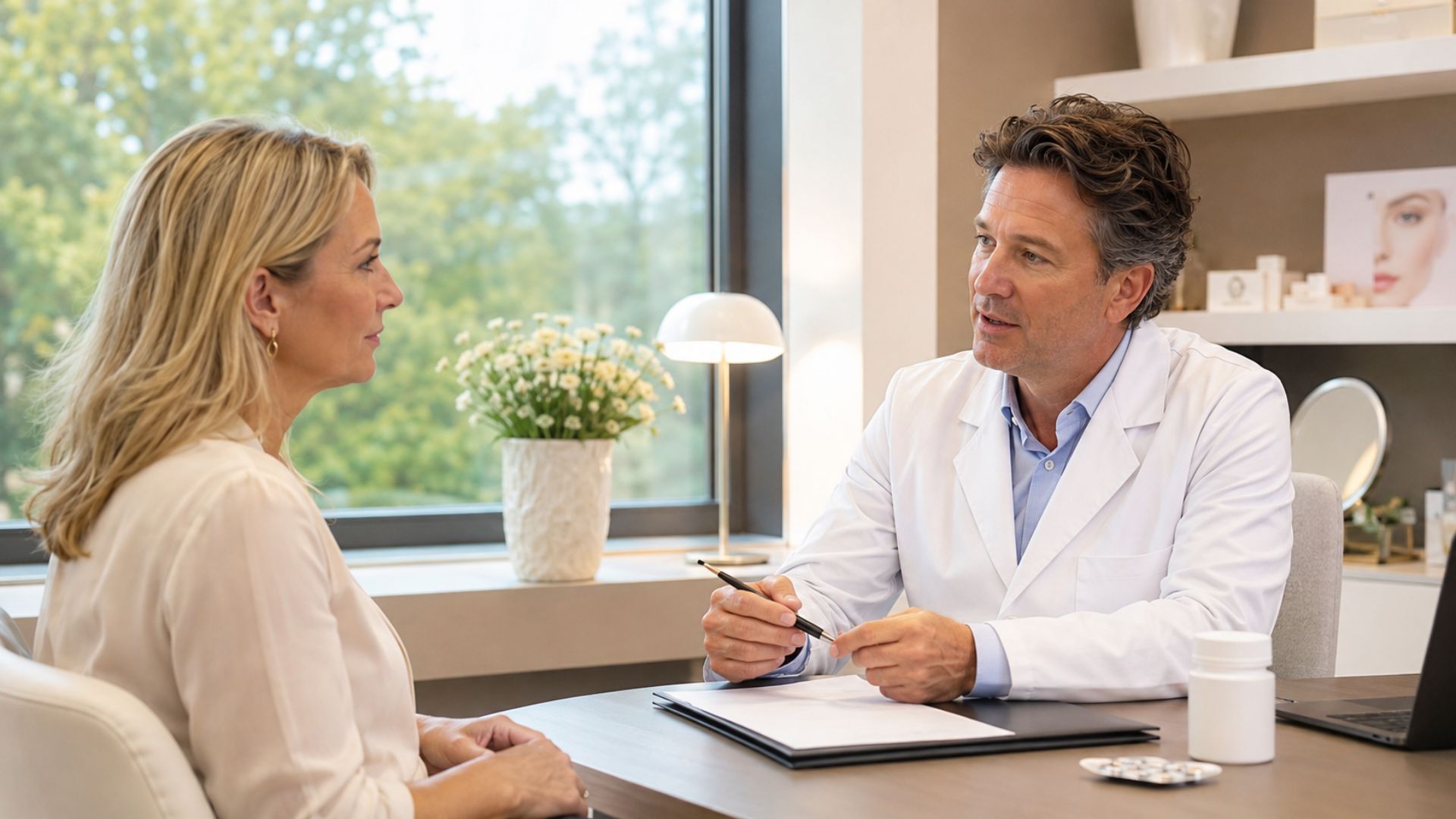

Do you smoke or vape, or do you use nicotine replacements such as patches or gum? Then this is an important topic to discuss before you have an eyelid surgery . Nicotine has a direct effect on blood flow and wound healing, and that is exactly what eyelid surgery depends on.
Why is smoking relevant with an eyelid correction?
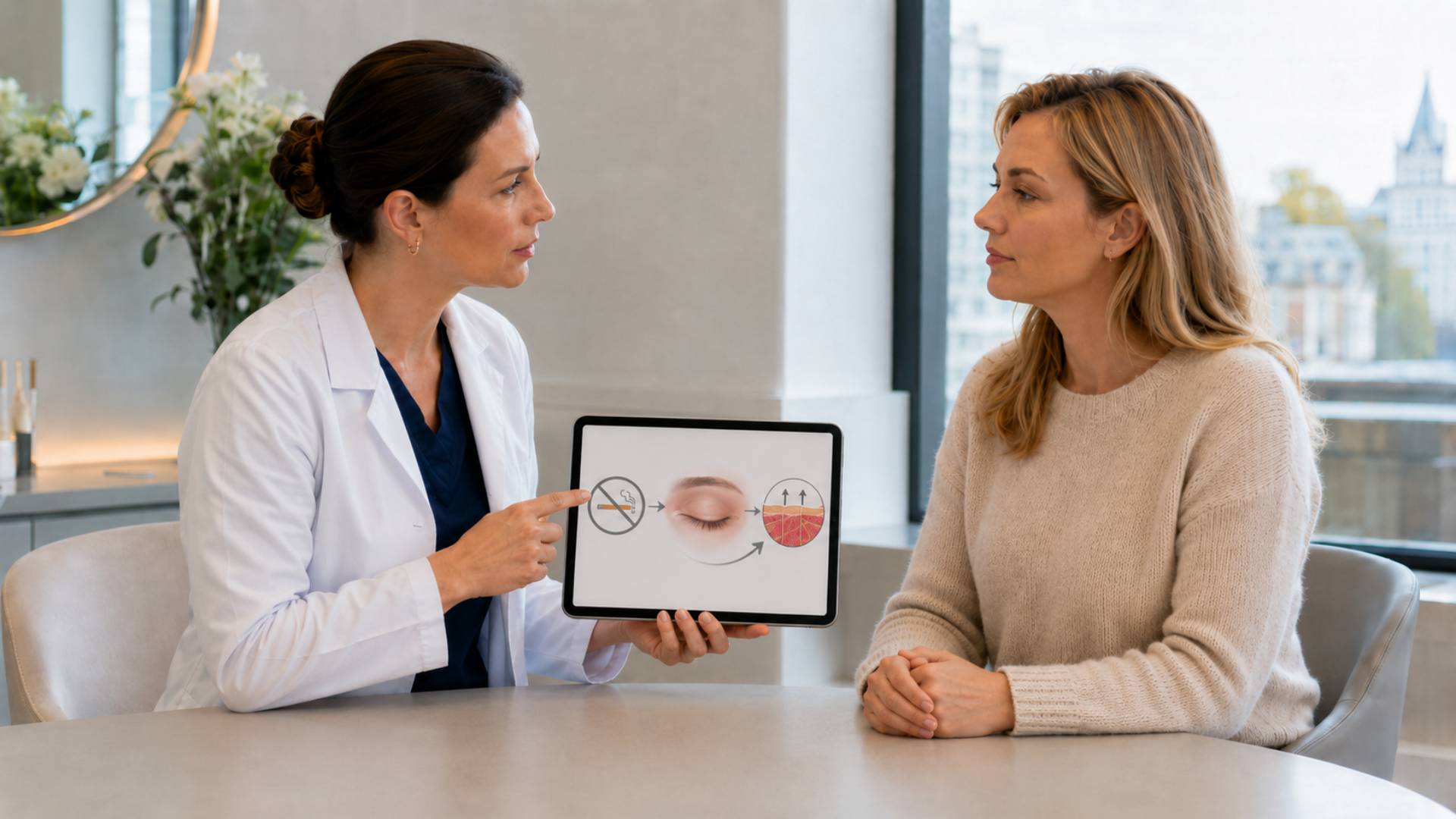
Nicotine causes vessel narrowing (vasoconstriction), which means less blood, and thus less oxygen and nutrients, reaches the operation area. In addition, nicotine reduces the production of collagen, which is essential for good wound healing and scar formation [1,4].
Research shows that smokers, compared to non-smokers, have 2 to 3 times more chance of complications after an operation. With eyelid corrections specifically, it is reported that wounds in non-smokers heal within 10 to 14 days, while in smokers this can take 3 to 4 weeks [2]. Smoking is moreover identified as an independent risk factor for wound infections after cosmetic surgery [2].
The good news: the eyelid area is, compared to other body parts, relatively well perfused, which means the effect of smoking is usually less severe here than, for example, with an abdominoplasty [3]. Still, delayed healing, longer swelling and bruising, and an increased infection risk remain real risks [1,2].
Points of attention
- Nicotine (also from vapes, patches or gum) reduces blood flow and collagen production [1,4]
- Increased risk of infections, delayed wound healing and longer swelling/bruising [2]
- Coughing due to smoking can contribute to secondary bleeding after the procedure [3]
- The effect of nicotine can continue for some time after stopping; cotinine (the breakdown product of nicotine) remains present in the body for up to about 2 weeks [3]
Discuss it in a personal consultation with plastic surgeon David Jairath, at our clinic for eyelid surgery in Haarlem. A first consultation can usually take place within a week.
Our protocol at Kliniek het Bolwerk
1. Open conversation about smoking behaviour
We actively ask about smoking, vaping and the use of nicotine-substitute products, even if this is only occasional. Honesty about this helps us to guide you as well as possible [5].
2. Advice to temporarily stop
We advise stopping smoking and nicotine use at least 4 weeks before and 2 to 4 weeks after the procedure, as is also advised in the international guidelines for wound healing [1,4].
3. Practical support
We discuss practical tips for (temporarily) stopping and refer, if desired, to support with stopping smoking.
4. Extra attention with continued smoking
Do you nevertheless choose to keep smoking? Then we take this into account in the planning and aftercare, and discuss the increased risks honestly with you, so that you can make an informed choice [2].
Important: smoking is not an absolute contraindication for an eyelid correction; thanks to the good blood flow of the eyelid area, the procedure is often still possible. Temporarily stopping does, however, reduce the risk of complications considerably and is strongly recommended.
When do we advise against the procedure (for the time being)?
- In the case of heavy and persistent smoking in combination with other risk factors (such as diabetes or blood thinners)
- If there are already signs of a poor skin condition or blood flow around the eyes
- When we decide together that (temporarily) stopping first is preferable, before the procedure is planned
Our advice
Do you smoke and are you considering an eyelid correction? Discuss this openly during the intake consultation at Kliniek het Bolwerk. We are happy to help you on your way with practical advice, so that you can start your procedure with the best preparation, for a beautiful and lasting result.
Literature references
The publications below form the medical-scientific basis of this article:
- The Impact of Smoking and Nicotine Use on Surgical Site Wound Healing. Sanara MedTech. 2024. https://sanaramedtech.com/blog/the-impact-of-smoking-and-nicotine-use-on-surgical-site-wound-healing/
- Smoking and your blepharoplasty recovery. Dr Nick Koutroumanos. 2025. https://koutroumanos.com/news/smoke-gets-in-your-eyes-smoking-and-your-blepharoplasty-recovery/
- Smoking and Surgery. FVP Surgery. 2020. https://www.fvpsurgery.com/smoking-and-surgery/
- Nicotine and Cotinine Induce Neutrophil Extracellular Trap Formation, Potential Risk for Impaired Wound Healing in Smokers. Antioxidants (PMC). 2022. https://www.ncbi.nlm.nih.gov/pmc/articles/PMC9774423/
- The influence of smoking and alcohol on bone healing: Systematic review and meta-analysis. PMC. 2021. https://www.ncbi.nlm.nih.gov/pmc/articles/PMC8571530/